As Java celebrated its 30th anniversary in 2025, this is a moment to plan a future for continued success of the technology and the global community that surrounds it. That spirit was on full display during a recent tour across the JAPAC region by Heather VanCura, Vice President of External Standards & Community Engagement at Oracle and Director and Chairperson of the JCP Program, who met with Java User Groups (JUGs), educators, students, and community leaders in Japan, the Philippines, and Taiwan.
Japan
The tour began in Tokyo with the Japan Java User Group (JJUG), where discussions centered on the future of Java and the collaborative process behind its evolution. Community members explored upcoming innovations in the platform, including Java 26 and what lies ahead, while learning how developers can participate through the Java Community Process (JCP) and its working groups focused on Java in Education, Java Ecosystem, and Java and AI.
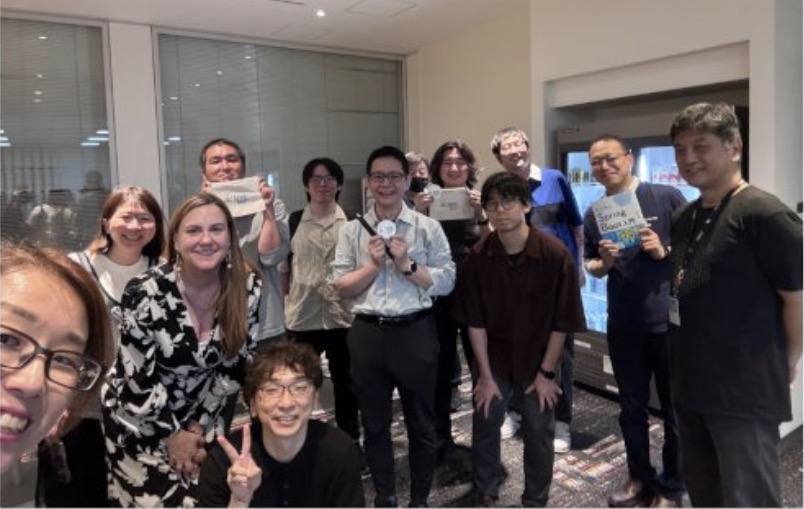
This collaborative development model remains one of Java’s defining characteristics. More than three decades after Java’s introduction, developers around the world continue to help shape the platform through the JCP, contributing ideas, expertise, and real-world experience to its ongoing evolution.
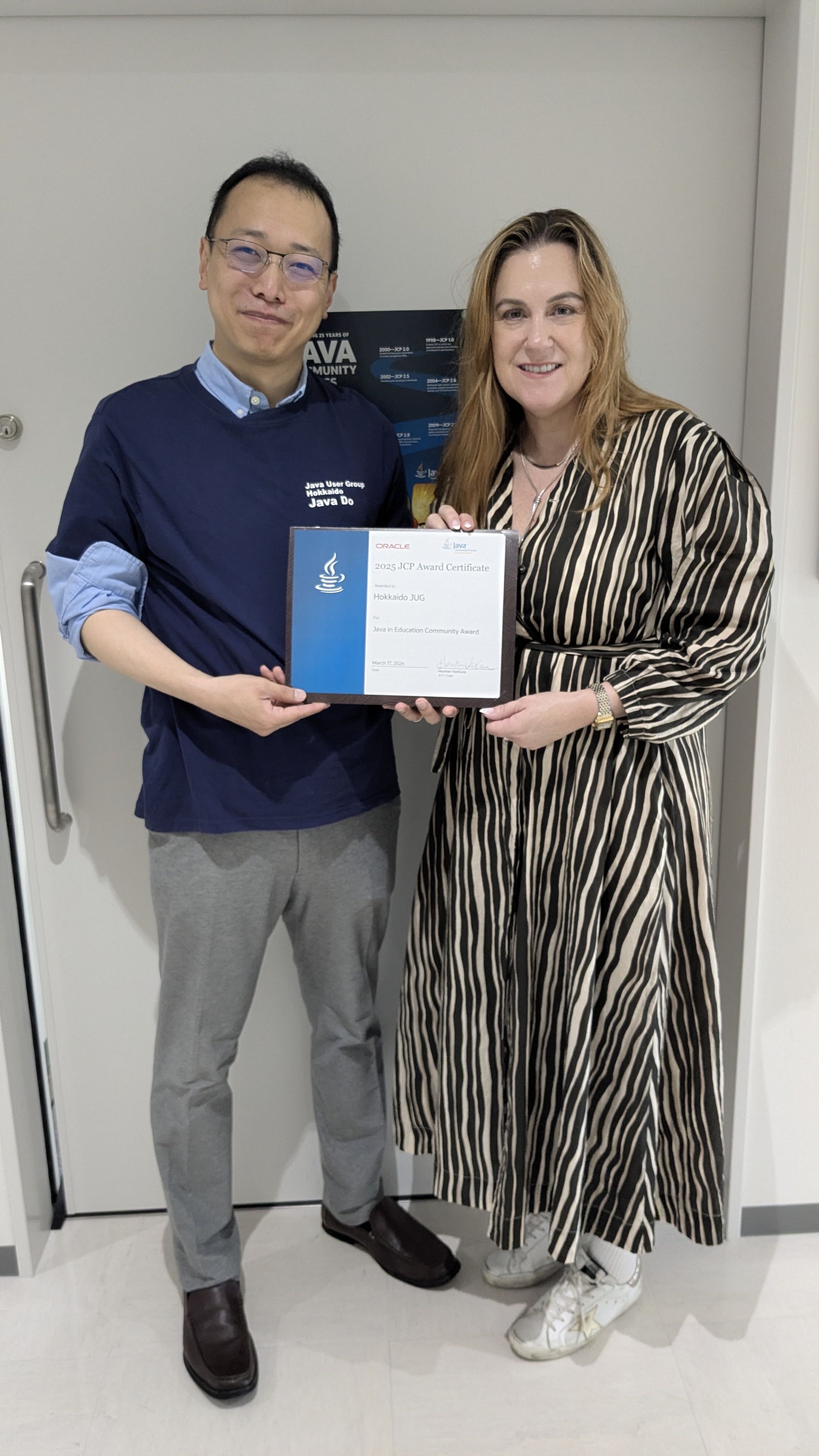
The visit continued in Hokkaido, where the Hokkaido Java User Group (JavaDo), the recipient of the 2025 Java in Education Community Award, continues to champion programming education and community engagement. Discussions focused on the growing impact of AI on software development and how Java in Education initiatives, open collaboration, and community-driven learning are helping prepare the next generation of developers for a rapidly changing technology landscape.
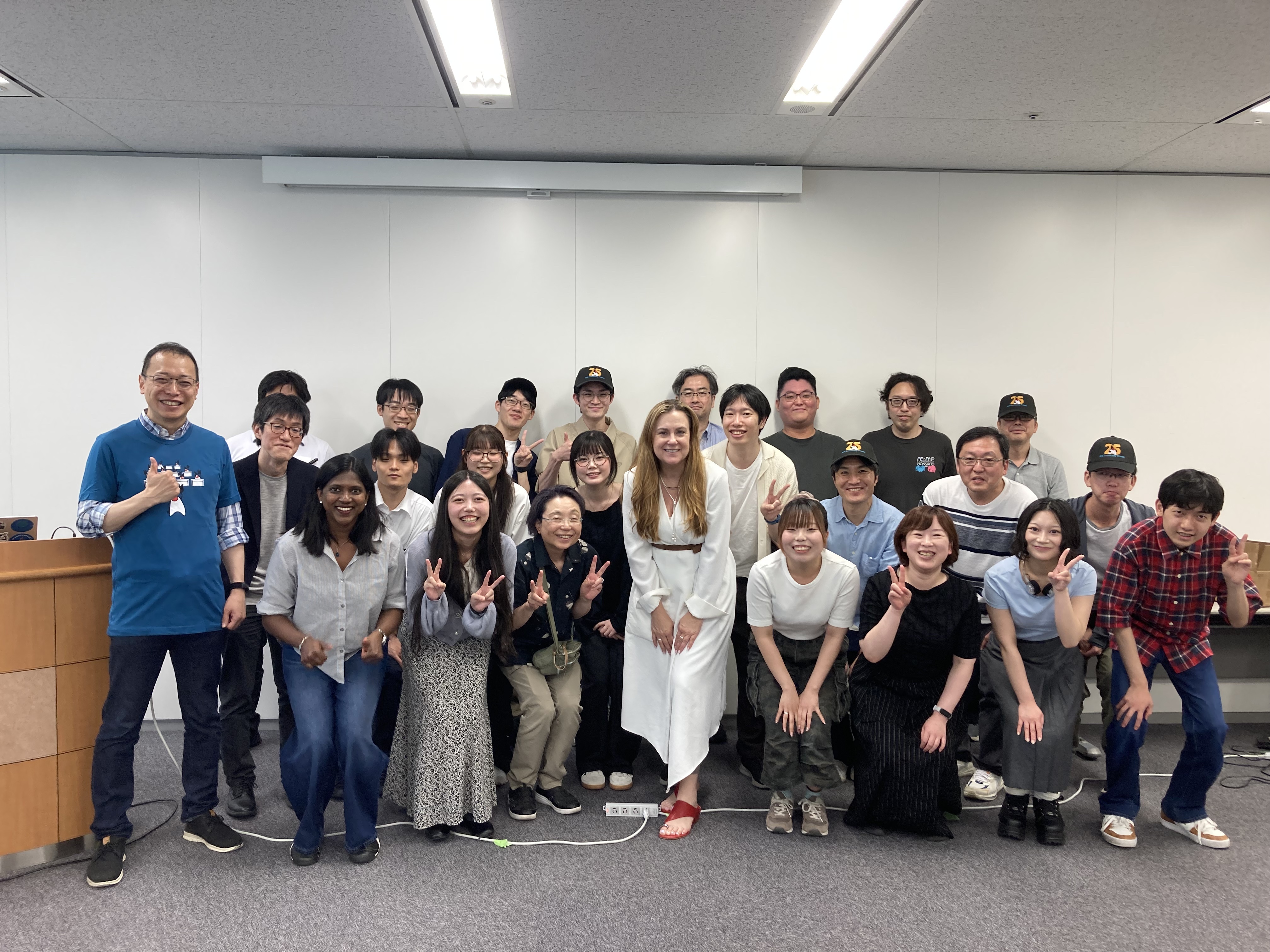
The Japan tour also included a visit to Chitose Institute of Science and Technology, hosted by Hokkaido JUG leader and Professor Hiroto Yamakawa. Meeting with students brought the conversation into the classroom, creating opportunities to discuss careers in software development, the importance of strong programming fundamentals, how to gain experience with AI, and the value of engaging with technical communities early in a developer’s journey. The visit underscored the important partnership between academia and local Java communities in developing the next generation of contributors to the Java ecosystem.
Philippines
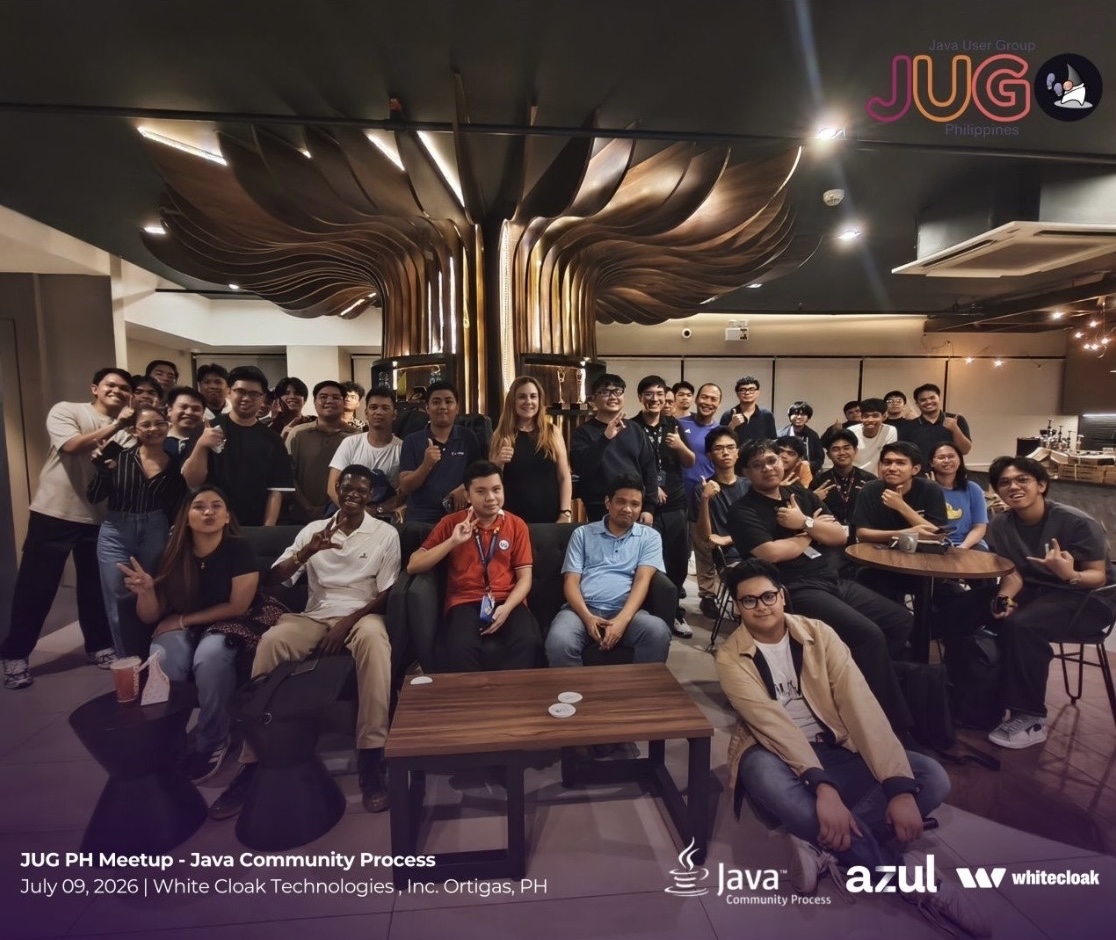
In the Philippines, Java User Group Philippines (JUGPH) hosted the largest gathering of the tour, welcoming nearly 50 attendees. The event brought together experienced Java developers, community leaders, and an enthusiastic mix of students and early-career professionals.
The strong turnout reflected the continued growth of the Java community in the region, while the energy of the event, especially among students, highlighted the excitement surrounding Java and the opportunities available through community involvement. Discussions explored the future of Java, the increasing influence of AI on software development, and ways developers can become more involved in community initiatives. The event reinforced the important role that JUGs play in connecting aspiring developers with experienced practitioners while fostering the next generation of Java community leaders.
Taiwan
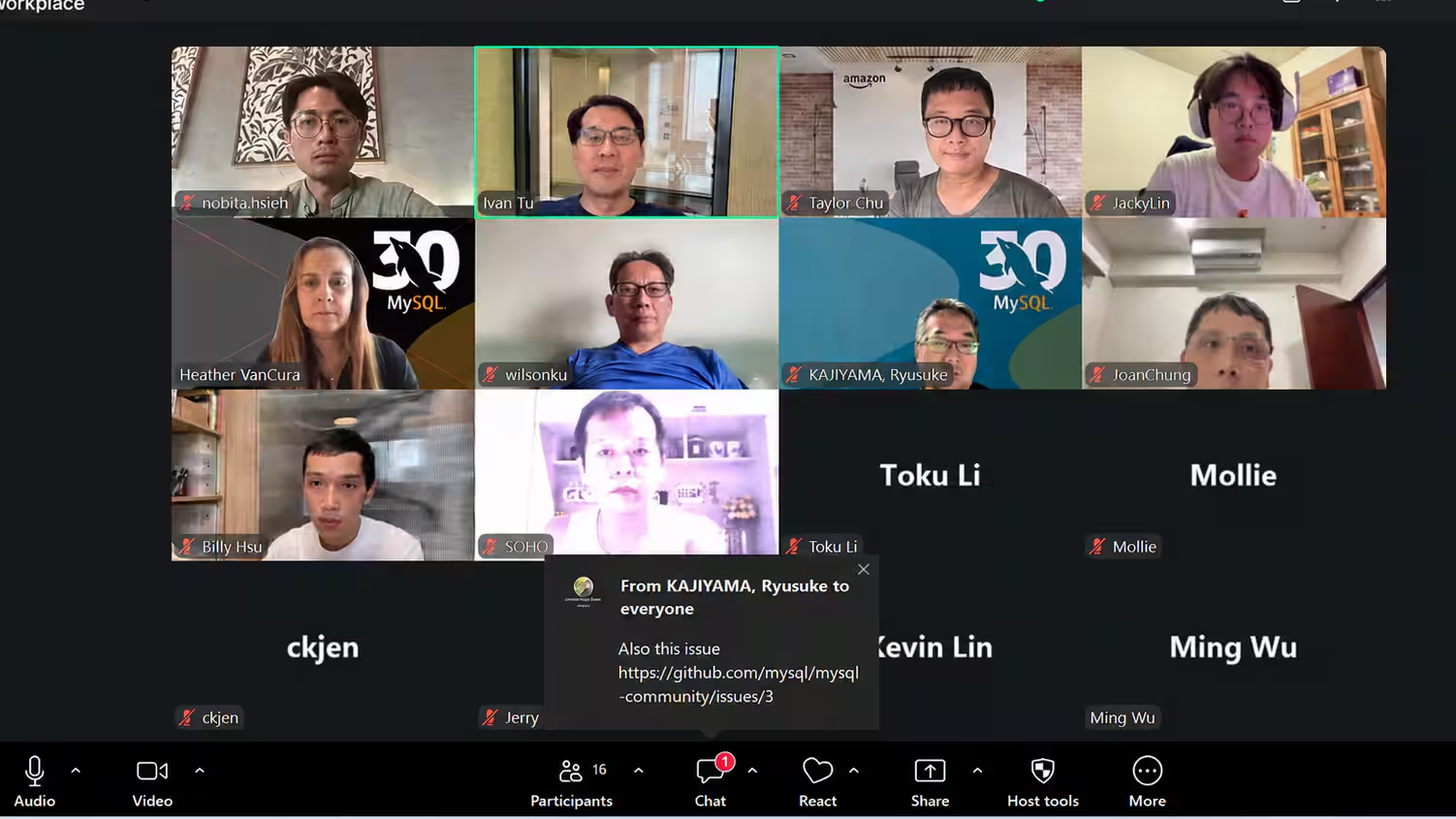
The tour concluded with the Taiwan Java User Group, where the event was held online due to severe weather. Despite the change in format, the discussion remained highly interactive and focused on the continued growth of the Java community.
A key theme was the future of Java User Groups. Community leaders exchanged ideas on growing local JUGs, strengthening developer networks, and building relationships with universities to introduce students to Java and create pathways for the next generation of developers to become active members of the community. The conversation reinforced that strong communities are built not only through technology, but through sustained collaboration, mentorship, and outreach.
A Shared Vision for Java’s Future
While each stop across JAPAC had its own unique character, the larger story was remarkably consistent. Developers were eager to better understand the future of the Java platform and how they could help shape it. Students explored how AI is transforming software development and what it means for the next generation of developers. Community leaders continued creating opportunities for developers to connect, share knowledge, and strengthen the Java ecosystem through collaboration.
More than 30 years after Java was first introduced, its greatest strength remains its community. From Tokyo and Hokkaido to the Philippines and Taiwan, the tour demonstrated that the future of Java is being shaped not only through platform innovation, but through the people who contribute to it every day. Whether through local JUG meetings, university classrooms, or virtual events, developers continue to learn from one another, mentor the next generation, and collaborate to advance the Java platform for years to come.
The conversations throughout the tour also reinforced the importance of continued engagement with Java communities across the region. Looking ahead, Heather VanCura will return to Japan in May 2027 for the spring in-person Java Community Process Executive Committee (JCP EC) meeting, coordinated with the JJUG Cross Community Conference and possibly other local communities throughout the region.
Building on relationships and momentum established during this tour, the visit will provide another opportunity to connect with developers, community leaders, and educators as the Java community continues to shape the platform’s future together, ensuring Java remains one of the top programming languages in the world.
Interested in getting involved? Learn more about the Java Community Process (JCP), explore the working groups, or connect with your local Java User Group by visiting jcp.org. The Java community welcomes your participation!
